
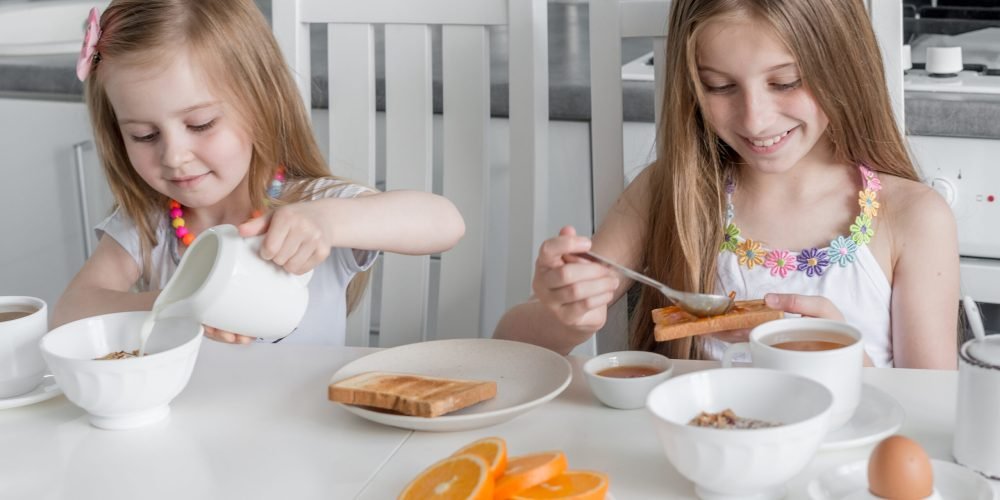
It is back to school season and if you’re anything like me, you’re juggling uniform shopping, school supplies, and trying to get back into routines. But here’s something that might surprise you: what your kids eat can actually make the biggest difference to how well they concentrate and perform at school; and healthy eating may be more important than you think.
I’m not talking about perfect Instagram lunchboxes or complicated meal prep. These are the five healthy eating habits for families I focus on with my own kids, and they’re backed by real research showing kids who eat well genuinely do better in school.
Before we dive in, here’s what really matters: children’s brains use about 25% of their total energy, and after sleeping all night, they need fuel to think clearly. Studies consistently show that kids who eat breakfast have better concentration, improved memory, and higher test scores. It’s not magic – it’s just good fuel for growing brains.
Research shows that kids who eat breakfast are more alert and focused at school. They also get better grades, especially in maths.
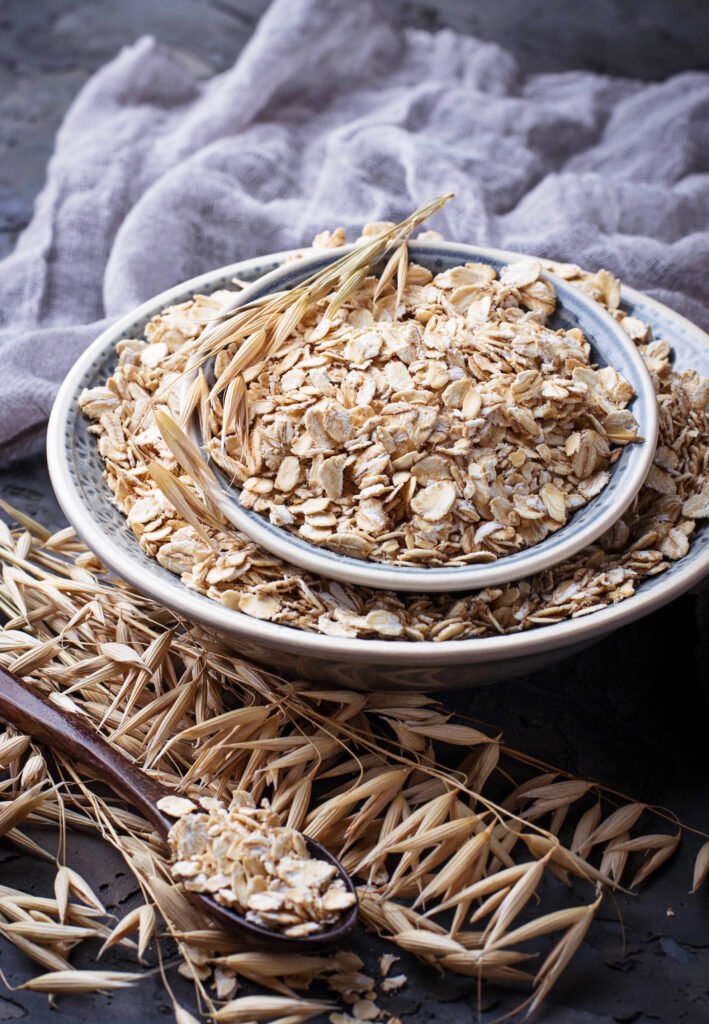
Easy breakfast wins:
The key is protein + carbs together. This keeps their blood sugar steady and helps them concentrate through those morning lessons.

Forget Pinterest-perfect lunches. Focus on this simple formula:
Game changer: Let them help pack their lunch. When kids choose what goes in, they’re way more likely to eat it.
Your kids come home starving and you’re trying to get dinner ready. Instead of grabbing whatever’s handy, have a “snack station” ready:
This prevents the 4pm sugar crash and helps with homework concentration.
Even three family meals a week makes a difference. It doesn’t have to be dinner – weekend breakfast counts too.
Why it matters: Kids learn by watching you. If you sit down to eat, they learn that food is worth paying attention to. Plus, it’s a chance to check in about their day.
Here’s our house rule: we buy treats once a week during the regular shop. If they eat them all in one day, that’s it until next week.
This teaches kids:
Starting school is stressful for kids. Their little bodies produce stress hormones that can make it harder to concentrate and sleep.
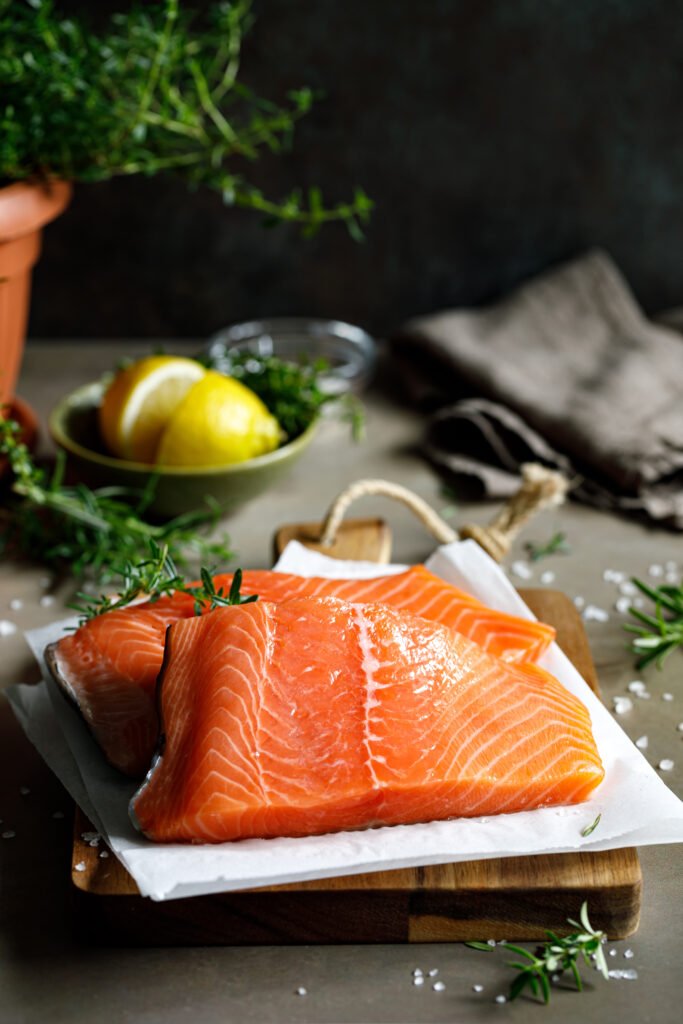
Foods that help calm stressed kids:
Avoid: Too much sugar, which makes stress hormones spike even more.

Kids notice everything. If you skip meals, live on coffee, or stress about food, they see it all.
The most powerful thing you can do? Take care of yourself too. Sit down for breakfast, eat regular meals, speak kindly about food and your body. They’re watching and learning from you.
Multiple studies show that kids who eat regular, balanced meals – especially breakfast – have better school grades and improved classroom behaviour. The effects are strongest for maths and reading, and they work regardless of family income or background.
When kids are well-fed, they can concentrate better, remember more, and cope with school stress more easily. It’s not about perfect nutrition – it’s about consistent, good-enough habits.
Don’t try to change everything at once. Pick one thing that feels doable:
Remember, you’re not aiming for perfection. You’re building habits that help your kids feel good, learn well, and develop a healthy relationship with food.
If you’re feeling overwhelmed by it all, you’re not alone. In my practice, I love helping families create realistic nutrition plans that actually work with busy life, not against it. Contact me and see how I can help you.